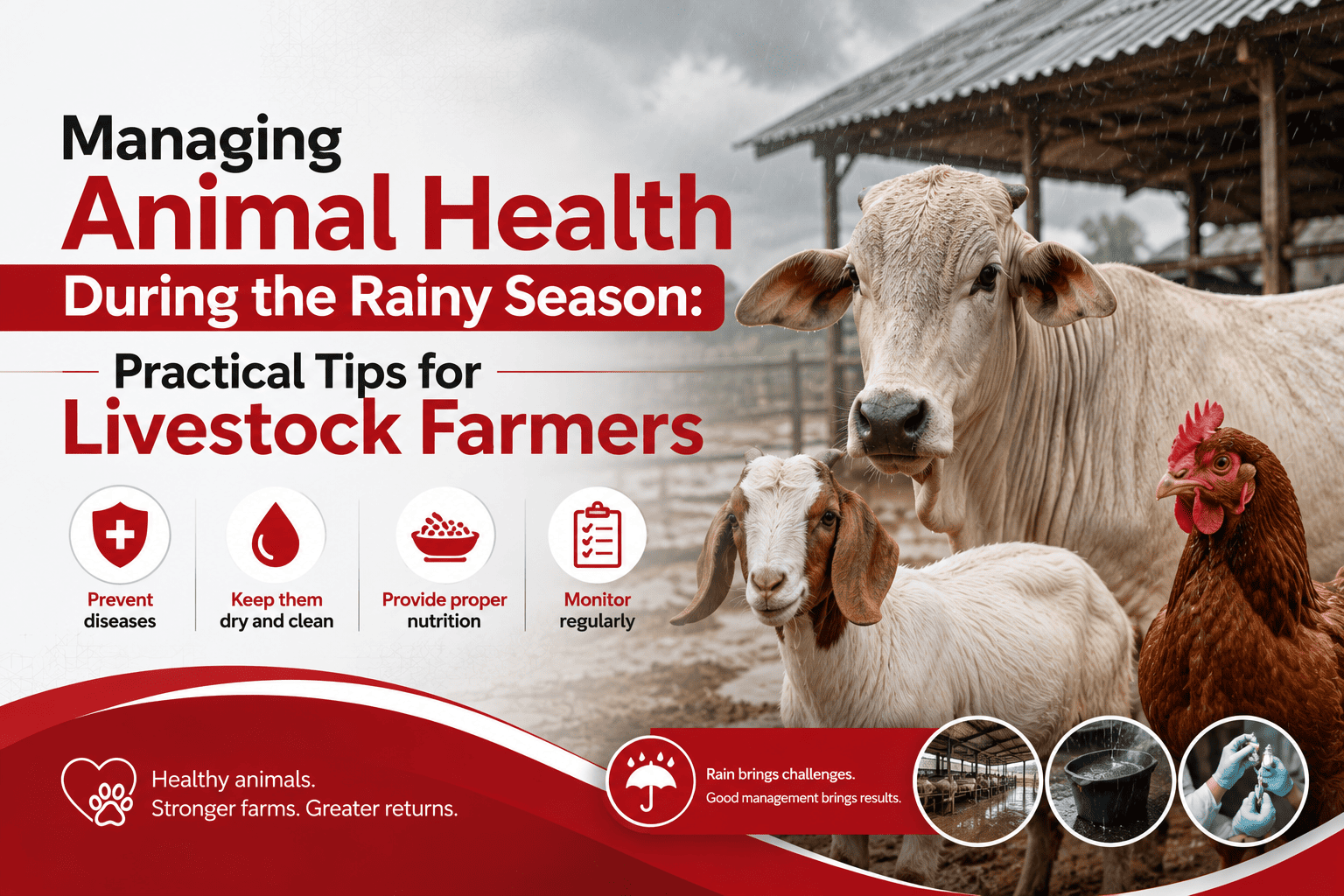
The rainy season is an important time for agriculture, bringing improved pasture, better water availability, and favourable conditions for many farming activities. However, it also introduces challenges that can affect the health and productivity of livestock if farms are not adequately prepared.
Higher humidity, increased moisture, and fluctuating weather conditions create an environment where disease-causing organisms and parasites can thrive. Wet housing, poor drainage, and improperly stored feed can further increase the risk of health problems, leading to reduced productivity and avoidable losses.
For livestock farmers, the rainy season is not simply about responding to disease when it occurs. It is about taking proactive steps to reduce risks before they become costly problems. With the right management practices and a strong focus on preventive animal healthcare, farmers can protect their livestock and maintain productive operations throughout the season.
Why the Rainy Season Requires Extra Attention
Seasonal weather changes can have a significant impact on livestock health. Damp conditions often encourage the growth and spread of bacteria, fungi, and parasites, while standing water can attract insects capable of transmitting diseases. Muddy environments may also expose animals to additional health risks and make it more difficult to maintain clean and hygienic housing.
The rainy season can also affect the quality of feed. When feed is exposed to moisture, it is more likely to spoil or develop mould, reducing its nutritional value and potentially affecting animal health. Poorly ventilated housing and damp bedding can create stressful conditions for livestock, making them less comfortable and, in some cases, more vulnerable to illness.
These seasonal challenges do not affect every farm in the same way, but they highlight the importance of paying closer attention to animal health during this period. Farmers who recognise these risks early are better equipped to take the necessary steps to minimise their impact.
Protecting Your Livestock During the Rainy Season
Good management remains one of the most effective ways to protect livestock during the rainy season.
Maintaining clean, dry, and well-ventilated housing helps reduce moisture build-up and creates a healthier environment for animals. Proper drainage around livestock facilities is equally important, as it prevents water from accumulating and reduces the conditions that encourage the spread of disease-causing organisms.
Biosecurity should also remain a priority throughout the season. Restricting unnecessary movement onto the farm, keeping equipment clean, disinfecting facilities where appropriate, and following good sanitation practices can significantly reduce the risk of introducing or spreading disease.
Farmers should also ensure that feed is stored in dry conditions to preserve its quality and nutritional value. Providing animals with clean drinking water, monitoring feed intake, and observing livestock for changes in behaviour, appetite, or production can help identify potential health concerns before they become more serious.
Working closely with qualified animal health professionals and following recommended vaccination and preventive healthcare programmes further strengthens a farm’s ability to manage seasonal risks and maintain healthy livestock.
Prevention Is the Best Long-Term Strategy
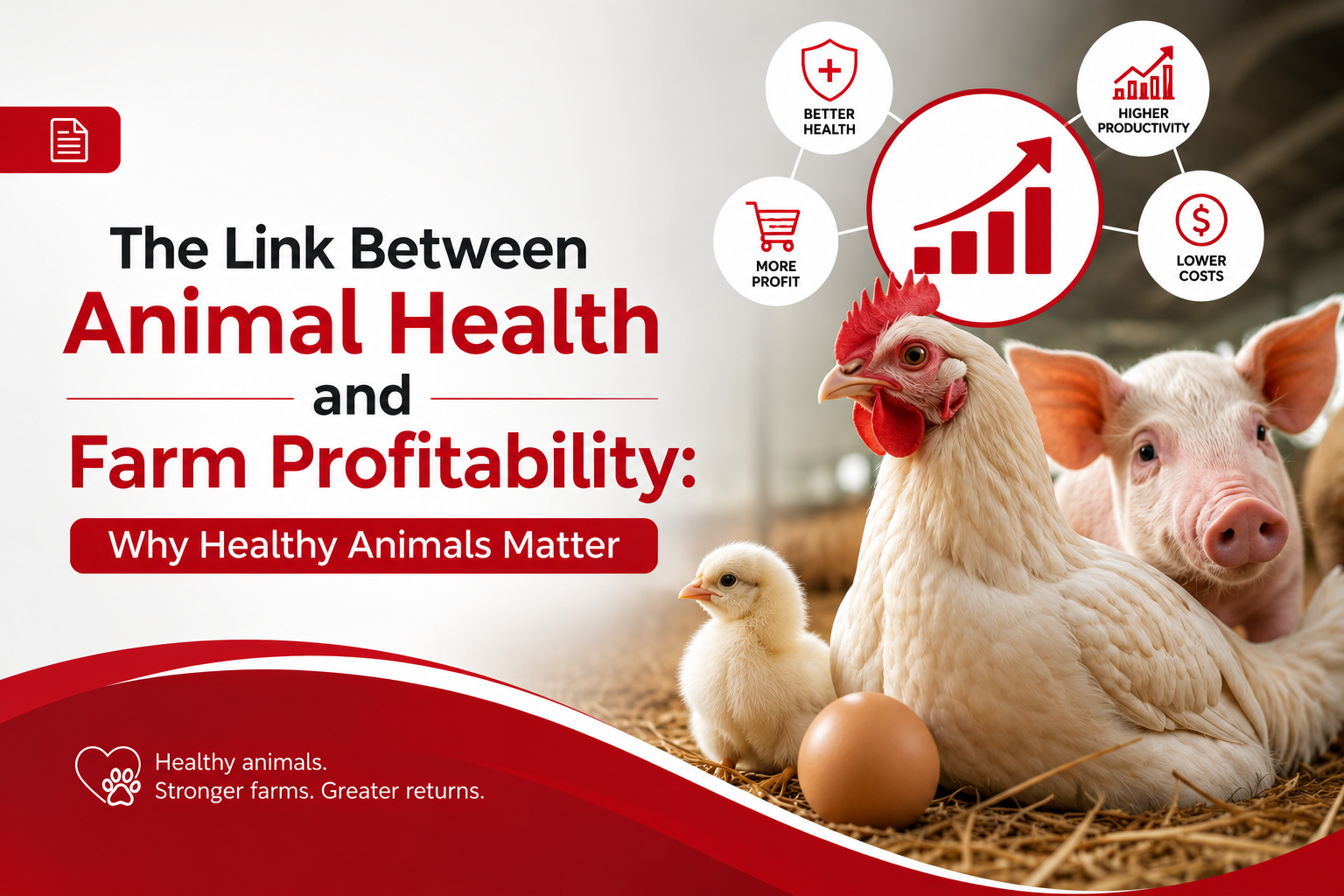
Successful livestock farming depends on consistency, and this is especially true during the rainy season. Rather than waiting for health problems to arise, farmers who invest in preventive care are often better positioned to protect their animals and maintain productivity throughout the year.
Preventive healthcare combines good management, proper nutrition, effective biosecurity, routine observation, and timely veterinary support. Together, these practices help reduce disease risks, improve animal welfare, and support stronger farm performance.
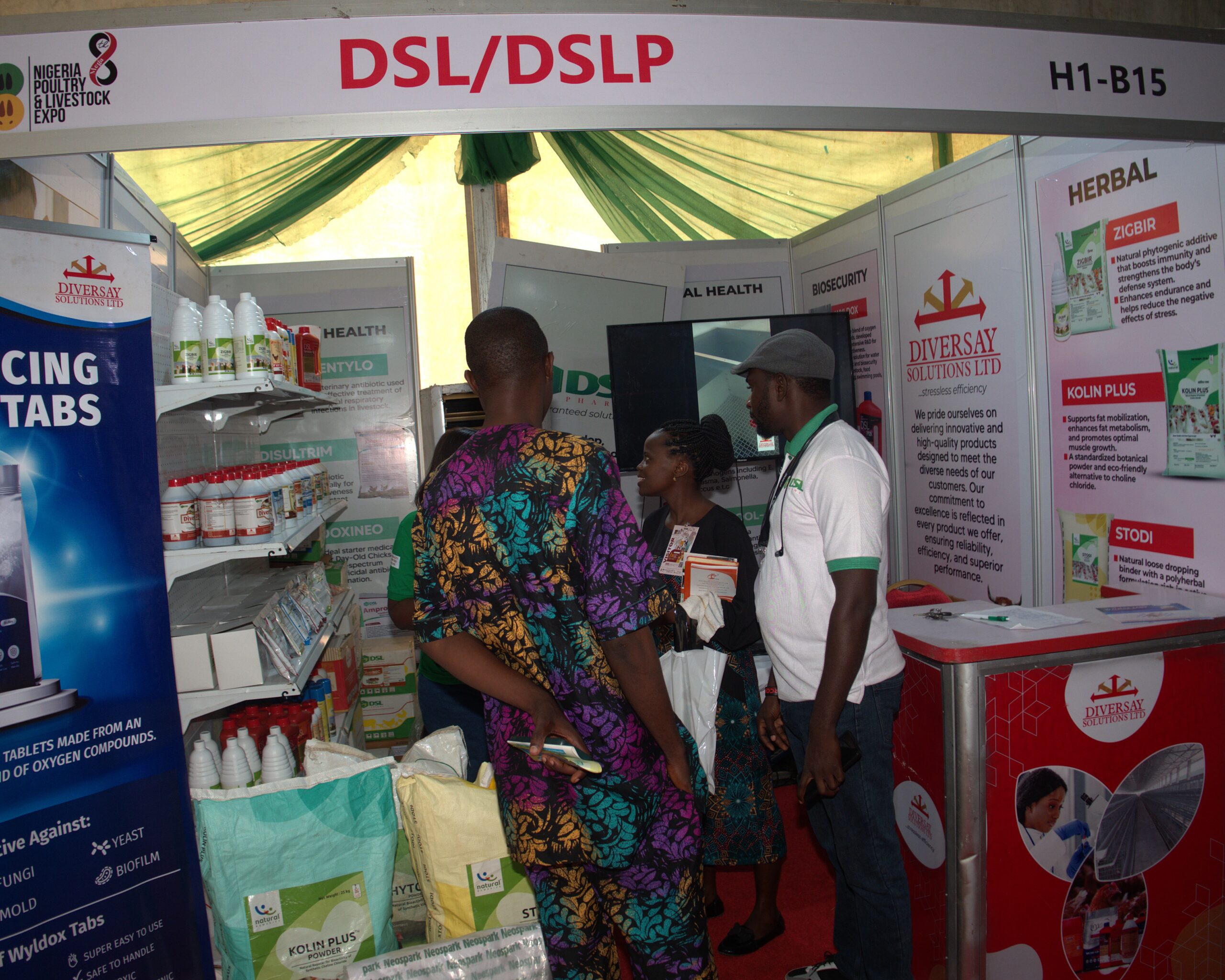
At Diversay Solutions Limited and DSL Pharma, we believe prevention is one of the most effective tools in livestock management. Through quality veterinary pharmaceuticals and animal health solutions, we support farmers in protecting their livestock, improving productivity, and building more resilient farming enterprises regardless of the season.
Animal Health Insight
The rainy season does not automatically lead to disease outbreaks. In many cases, the greatest risks arise from poor farm management, inadequate biosecurity, and delayed intervention. Farms that maintain good hygiene, proper drainage, quality nutrition, and preventive healthcare are often better equipped to keep livestock healthy throughout the season.
Conclusion
The rainy season brings unique challenges, but it also provides an opportunity for farmers to strengthen their animal health management practices. By understanding seasonal risks and taking preventive action, livestock producers can minimise avoidable losses while maintaining healthy, productive animals.
Simple measures such as keeping housing clean and dry, storing feed properly, strengthening biosecurity, and monitoring livestock regularly can make a significant difference in farm performance. Combined with quality animal health solutions and professional veterinary support, these practices help build healthier herds and flocks throughout the year.
Ultimately, effective rainy-season management is not about reacting to problems after they occur. It is about preparing ahead, protecting animal health, and creating the conditions for sustainable and profitable livestock production.